


tldr;
Sana AI Summit on May 21 was a coronation, not a product launch. Aneel publicly handed Workday's AI future to Joel Hellermark, the 28-year-old self-taught Swedish prodigy who is now Chief AI Officer.
Aneel re-staged Dave Duffield's 2016 "don't screw it up" line. In front of customers. Twice in a decade. Workday's own copy called it a "refounding."
Sana for ITSM is the ServiceNow shot. Sana for Travel and the agent demos showed real agentic workflows for hiring, access requests, and expense filing.
The agent layer is a new governance attack surface. Agents are not just doing the work. They are learning your approval patterns and proposing to rewrite your policies.
The new Flex Credits rate card quietly dropped or deferred integration events, documents, and storage from the meter. A customer-friendly retreat. The new pricing risk now lives entirely in agent consumption.
What you do Monday: track Joel not the brand, treat agents as a governance object, get the agent consumption assumptions from your AE before your next renewal.
I told Justin I was going to a tech summit in New York. Sana. Workday's new AI brand. Big day, big speakers, fancy library.
His response was pure gold.
"So you were hanging with billionaires."
Yeah, son. I guess I was.
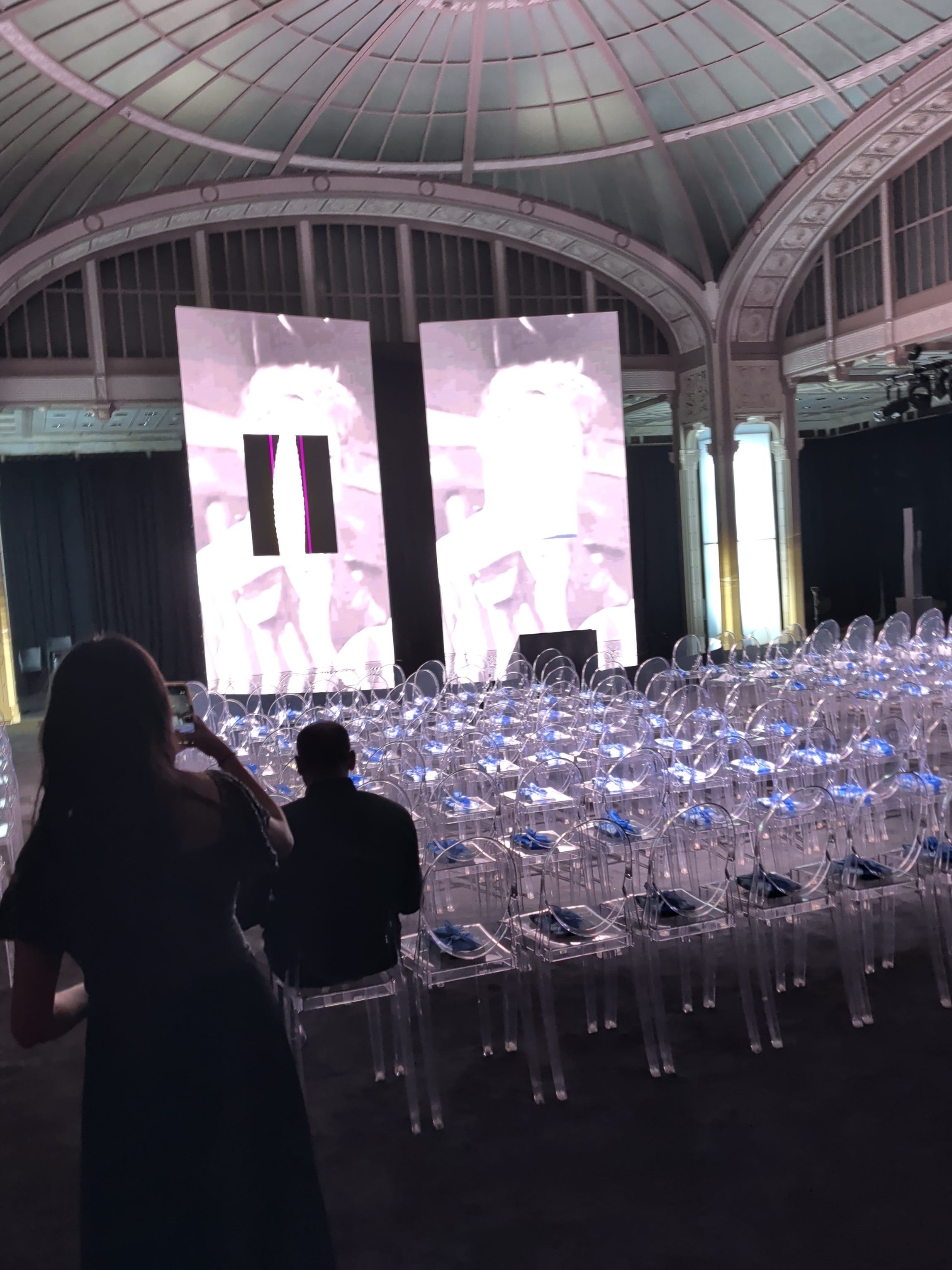
That's the right framing for what happened at the New York Public Library on May 21. Not a product launch. Not a roadmap update. A coronation.
Act I: The Hand-off
The day opened with the 1977 Powers of Ten film. Chicago picnic blanket to the observable universe and back. Designed to make you feel small.
That was on purpose. Joel Hellermark, founder and CEO of Sana, wanted you small. He wanted you small so the next part felt big.
Three acts. The first one is the only one practitioners need to study.
Aneel Bhusri walked on stage in a Björn Borg jacket. The Swedish apparel brand. Worn by the co-founder of an American enterprise software giant being interviewed by a 28-year-old Swedish AI prodigy he just acquired. The jacket is the slide.
He sounded somehow older than I remembered. Gravelly. He acknowledged it himself. Said he was a different guy than he was at 30. Said he now felt like an orchestration agent for Workday the company.
Joel did the interviewing.
The new guy hosted the founder. That is the entire blocking diagram of who is running the next chapter.
Late in the conversation, Aneel delivered the line that justifies the whole bet. Reasoning engines, he said, are weak at deterministic plumbing. The power comes from bringing the two technologies together.
Translation for the practitioner audience: Sana without Workday is a smart toy. Workday without Sana is yesterday's deck. The merger is the thesis. If you ever wondered why Workday bought a Stockholm learning company, that's why.
Who is Joel Hellermark, and why should you care
Short version: he is the closest thing enterprise software has to a generational prodigy story.
Taught himself C at 13. Built a chess program for fun. Founded his first company at 16. Skipped university entirely. Learned to code from Stanford's free online courses. Founded Sana at 19 out of a converted hair salon in Stockholm. Named Sweden's "Super-talent of the year." The Guardian's 10 under 35 changing the world. Aneel calls him "one of the most brilliant minds in AI."
He is now in charge of Workday's AI future.
Internal title: Chief AI Officer. Internal mission, in his own words, is to be the Hermes of Enterprise AI. No more bad UX. Software you actually want to use.
"Don't screw it up"
Late in the Act I interview, Aneel got quiet.
He reminded Joel that at Workday Rising 2016, Dave Duffield said the same four words to him. In front of customers.
Don't. Screw. It. Up.
Now Aneel was saying it to Joel. In front of customers again.
This is the moment to stop scrolling.
The line was a public ritual in 2016. Aneel just re-staged it. That is not a coincidence. Founders do not perform their predecessor's parting line by accident. They do it when they want the room to witness a transfer of authority. The company Aneel built is being handed to a brilliant kid who was not born when Workday's first customers signed.
Aneel called this a refounding moment. The pre-event LinkedIn copy used the same word. A complete re-founding of how work gets done.
Their word. Not mine.
When the vendor uses the word refounding, what they are telling their customers is: the company you bought from is being rebuilt while you are still inside.
The three things you actually need to know
Strip away the philosophy, the GDP forecasts, and the closing meditation on what stays human. Here is what changed on May 21 for the people turning the wrenches.
One. Joel is the heir. Not co-leader. Not strategist. The face of the next decade. If you are building governance, integrations, or roadmap plans against Workday, the person whose taste matters most is now the one who learned coding from Stanford YouTube videos. The branding will keep moving. His taste is the constant. Track him, not the press releases.
Two. The agents are real and they are coming for your queue. Sana for ITSM and Sana for Travel were both announced. Both are agent-led, not feature-led. Demo flows showed the agent brokering a Salesforce admin access request, drafting an offer letter for a $151,000 SGD Senior AE in Singapore, and booking a Stockholm trip while filing the expense in Workday in one motion. Three pillars Joel kept returning to: multiplayer interface, living memory, proactive agents.
Three. Workday is going after ServiceNow. Sana for ITSM means Workday is no longer staying in the HCM and Financials lane. Fulfill requests. Automate ticketing. Manage assets. Build workflows. That is ServiceNow's deck rendered in Workday's typeface. Your platform is now a horizontal competitor to a different ecosystem entirely. I think Workday is going try and move up and down the big business tech stack as much as possible.
The slide that should keep you up at night
The Sana for ITSM demo had a Salesforce access flow. Kai Tran, a Sales Lead in APAC, needed admin rights to set up new-hire territories. The agent scoped it down, surfaced the precedent (same scope Marcus has in EMEA, approved 12 months ago without escalation), and asked the approver to sign.
That is a credible agent demo.
The next slide is the one I want every HRIS lead and access governance owner to look at.
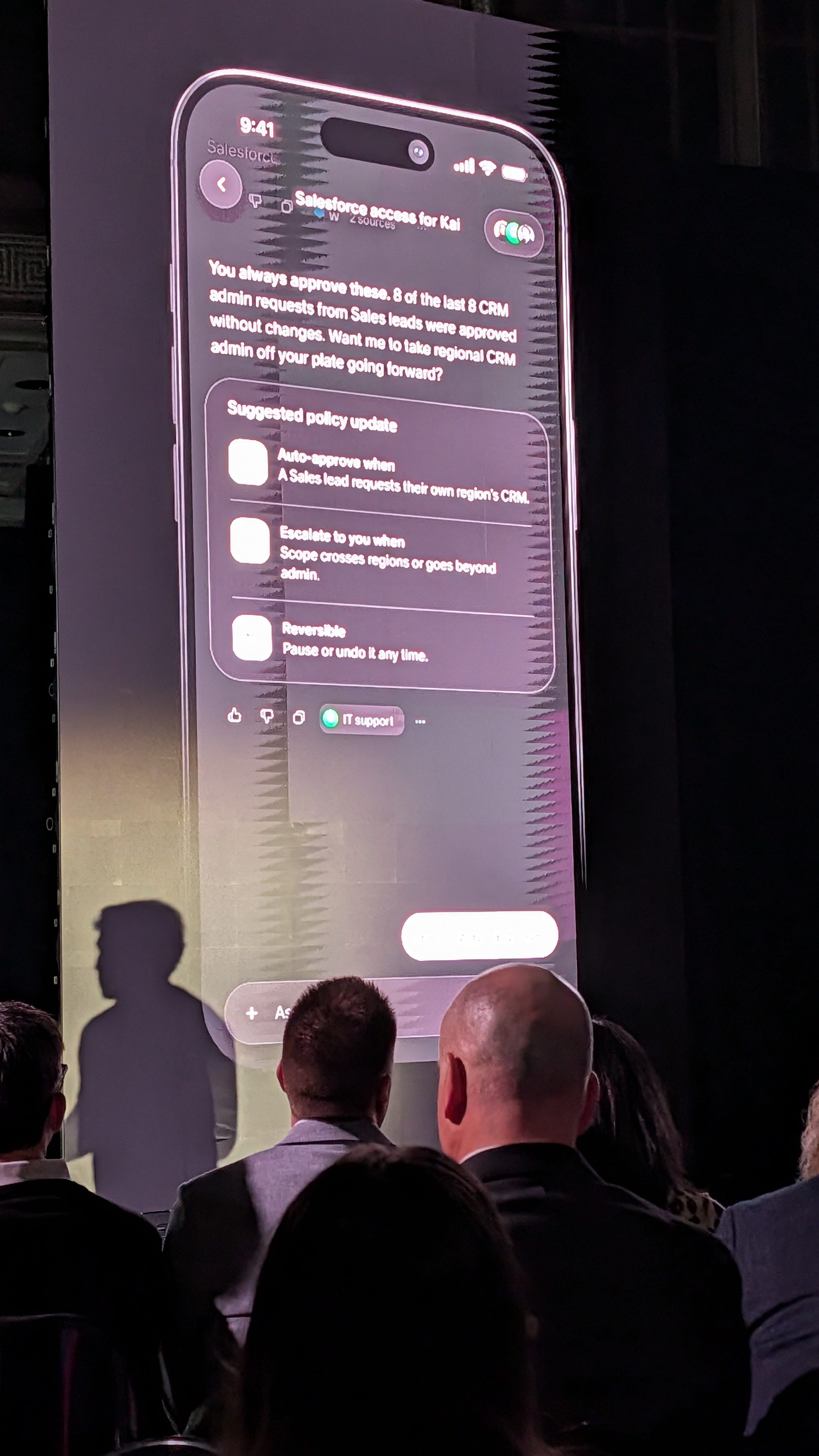
The agent comes back and says: You always approve these. 8 of the last 8 CRM admin requests from Sales leads were approved without changes. Want me to take regional CRM admin off your plate going forward?
Then it offers a draft policy update. Auto-approve when a Sales lead requests their own region's CRM. Escalate when scope crosses regions. Reversible toggle.
The agent is not just doing the work. It is learning your approval patterns and proposing to rewrite your governance.
This is a new attack surface for HR tech and access governance. Not malicious. Just new.
If your access policy can be amended by an agent recommending the change based on observed behavior, then your approval queue is now training data for your future policy. Practitioners need a vocabulary for this before the audit team does.
What they did not say
Day-long thought leadership session. No Flex Credits discussion from the stage.
Which is interesting, because Workday actually had good news to share.
Go read the new Flex Credits Platform Policy rate card. It will be published next week. Compare it to the model they rolled out at Rising 2025. Integration event overages are deferred to 2027. Document events are gone. Storage is gone. The three buckets the analyst class spent six months calling a budget black hole have been quietly pulled off the meter.
That is a customer-friendly retreat. Workday heard the pushback and walked it back.
So why didn't they say it from stage?
Because the new meter is a single-bet meter. Everything you already do at scale, the integrations you run nightly, the documents you store, the events you fire, is now off the table. What's left on the meter is agent consumption.
The thing your tenant cannot yet size, because your tenant has not deployed it.
Workday swapped a known-quantity risk you could model in a spreadsheet for an unknown-quantity risk you cannot model until the agents are live. That is a real tradeoff and arguably a better one for most customers. But the FinOps muscle required to land it is different. You are no longer sizing integration volume against a credit pool. You are sizing how often a Recruiting Agent will work a pipeline and how often an IT Support Agent will pre-broker an access request and how often a Travel Agent will book and file an expense in one motion.
That conversation does not happen from a stage. It happens in a sales motion with your AE.
Other things that did not get said from the stage:
- No migration path for customers already invested against the Illuminate naming
- No customer reference architecture for Sana for ITSM
- No deployment story for how Sana actually grounds against your Workday tenant
- No GA timing beyond the headline launches
The analyst class will spend the next two weeks writing about what Workday announced. Most of them will not go find the rate card.
Acts II and III, briefly
Act II zoomed out. Anton Osika from Lovable on vibe coding democratization. Tyler Cowen on AI as radical evolution with a 2.5% annual GDP growth rate, exceeding baseline forecasts. Then the panel's dark moment. Jasmine Sun described standing in front of a humanoid robot in China and feeling viscerally that this thing could kill her. Benjamin Labatut, the only pessimist on the stage all day, asked why we are not paying more attention to that feeling. Nobody had a good answer.
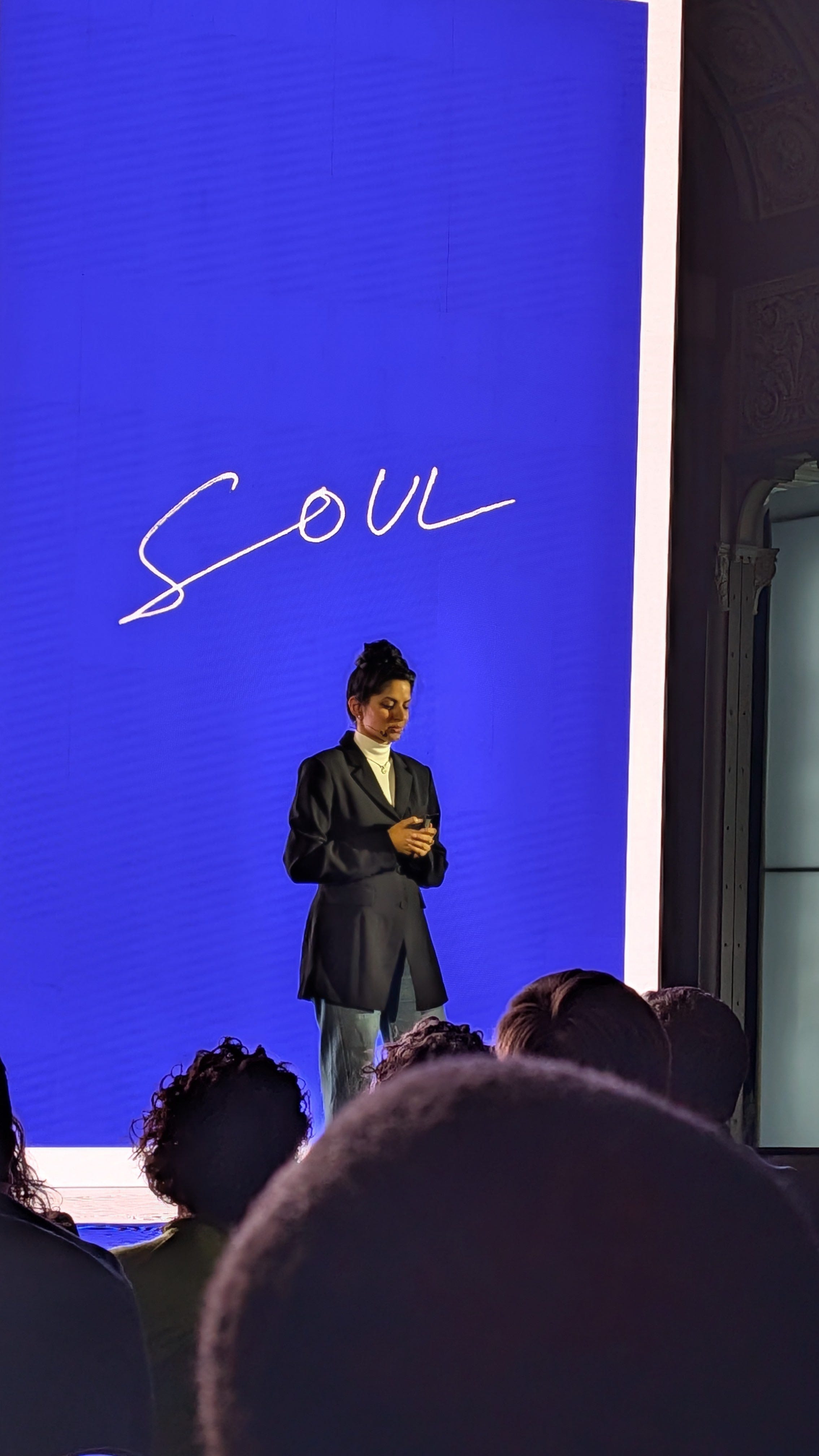
Act III went philosophical. Geoffrey Hinton in person, not virtual (I am officially walking back my virtual stage comment). AI may outstrip mathematicians inside a decade. We are creating beings and optimizing for intelligence when we should be optimizing for care. Sara Imari Walker on assembly theory and what makes something alive. Anu Athluru closing with the question. What stays human when machines can do the work? Her answer was seven things. Taste. Grit. Care. Craft. Story. Purpose. Meaning.
Soul was the descriptor on the final slide.
It was, in case it wasn't already obvious, a very European summit. Swedish CEO. Swedish prodigy. Swedish brand on the founder's back. American enterprise software's center of gravity just shifted across the Atlantic by about 4,000 miles.
It rained all day outside the library. Inside, it was a TED talk sponsored by Workday. Light on product, heavy on framing. That is a tell too. When you cannot show the product working outside a carefully crafted demo yet, you show the philosophy.
What you do Monday
You do not change anything Monday. But you start tracking three things.
One, watch what Joel says, not what Workday says. Vendor branding has a shelf life of about nine months. Joel's taste does not. He is the new center of gravity.
Two, treat the agent layer as a governance object, not a feature. Every agent that can rewrite a policy needs an owner, a kill switch, and an audit trail before it ships into your tenant. If your governance forum does not have agent governance on the agenda by Q3, you are late.
Three, before your next renewal, ask your AE for the agent consumption assumptions baked into your Flex Credits sizing. Not the rate card. The assumptions. How many agent operations per user per month. How they modeled it. What happens at 2x. If they pause, you have learned something useful.
Aneel said this is a refounding moment. He is absolutely right. The company you have been buying from for ten or fifteen years is becoming a different company.
The kid who didn't go to college is in charge of getting it there. The founder who built the cloud HCM category just told him don't screw it up.
The rest of us go back home to a tenant we still have to run on Monday. Same configurations. Same approvals. Same governance committee meetings.
For now.
So what stays human when machines can do the work? Anu's answer was taste, grit, care, craft, story, purpose, and meaning. Mine is shorter.
The judgment about whether to let them.
— Mike
P.S. — I told Justin about the day on the train ride home. About Aneel and Joel and the Powers of Ten film and Hinton not being virtual (he did think that was cool).
He didn't ask about any of that.
He asked if the food was good.
That's about right.